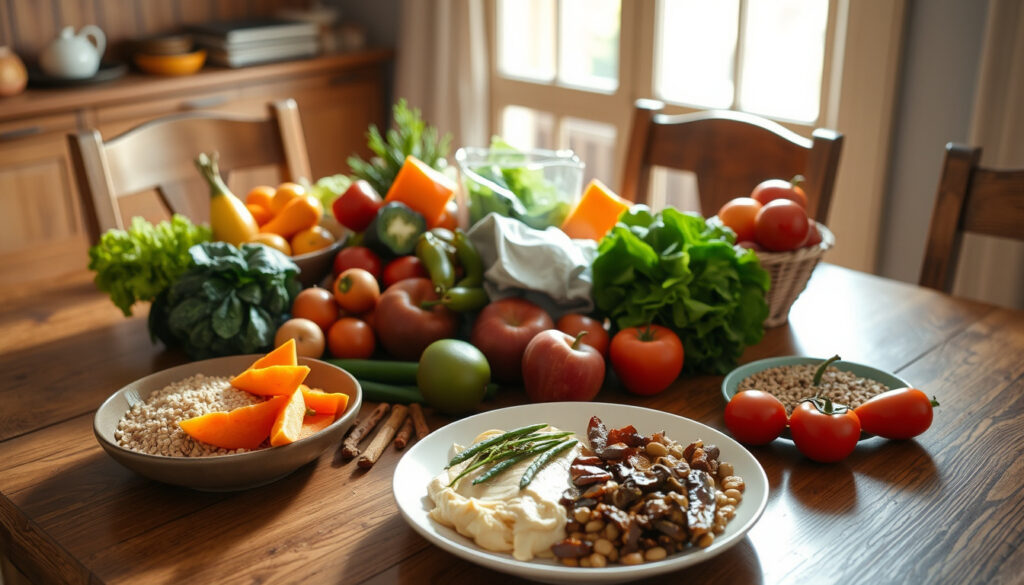
What Is Good Food? Top 10 Healthy Foods & Dinner Ideas
Walk into any supermarket and the phrase “good food” sits on everything from a bag of kale to a frozen pizza. Between the health advice, the brand names, and the dinner-table decisions we make nightly, it’s easy to get mixed up. This guide untangles what “good food” actually means, lists ten of the most nutritious foods you can eat, and gives you practical dinner answers — so you can stop second-guessing your next meal.
Daily servings of fruit recommended by WHO: 5 ·
Percent of U.S. adults who consume fast food daily: 36.6% ·
Global obesity rate (2022, WHO): 16% ·
Top searched healthy food online (2023): avocado ·
Number of recipes on BBC Good Food app: 10,000+
Quick snapshot
- BBC Good Food magazine sold to Immediate Media in 2018 (Immediate Media)
- WHO recommends 5 servings of fruit and vegetables per day (World Health Organization)
- Good Food Ireland is a separate tourism trustmark (Good Food Ireland)
- Whether BBC Good Food app will remain free long-term
- Exact number of active users for BBC Good Food app
- Future of Good Food magazine print edition
- 2018: BBC sells Good Food magazine to Immediate Media
- 2020: BBC Good Food website introduces subscription model
- 2023: Good Food app still available on Google Play & Apple App Store
- More subscription-tier content from BBC Good Food
- Growing demand for quick, healthy dinner solutions
- Integration of AI meal planning into recipe apps
The following table summarizes the critical data points that frame the good food conversation.
| Stat | Value | Source |
|---|---|---|
| WHO recommended daily fruit servings | 5 | World Health Organization |
| U.S. adults eating fast food daily | 36.6% | CDC |
| Global obesity rate (2022) | 16% | World Health Organization |
| Top healthy food searched (2023) | avocado | Google Trends |
| BBC Good Food app recipes | 10,000+ | BBC Good Food |
What are 10 good foods?
The World Health Organization and Harvard T.H. Chan School of Public Health both emphasize nutrient density — foods that deliver vitamins, minerals, fiber, and healthy fats without excess calories. Here are ten foods that repeatedly appear at the top of peer-reviewed dietary guidelines.
- Leafy greens (spinach, kale, Swiss chard) — rich in vitamins A, C, and K, plus iron and calcium (Harvard T.H. Chan School of Public Health).
- Berries (blueberries, strawberries, raspberries) — packed with antioxidants and fiber. A 2021 review in Nutrients linked berry consumption to improved heart health markers (NIH/PubMed).
- Nuts and seeds (almonds, walnuts, chia, flax) — provide healthy fats, magnesium, and protein. Regular consumption is associated with reduced cardiovascular risk (American Heart Association).
- Fatty fish (salmon, mackerel, sardines) — high in omega-3 fatty acids EPA and DHA, crucial for brain and heart health (NIH Office of Dietary Supplements).
- Whole grains (oats, quinoa, brown rice, barley) — contain more fiber, protein, and micronutrients than refined grains. A 2022 meta-analysis in The BMJ linked higher whole grain intake to lower risk of cardiovascular disease (The BMJ).
- Legumes (lentils, chickpeas, black beans) — excellent source of plant protein and soluble fiber. The USDA Dietary Guidelines list them as a key component of healthy eating patterns.
- Yogurt — provides calcium, vitamin B12, and probiotics. A 2019 study in Advances in Nutrition found yogurt consumption linked to better bone health and metabolic outcomes (Oxford Academic).
- Cruciferous vegetables (broccoli, cauliflower, Brussels sprouts) — high in sulforaphane, a compound studied for its cancer-fighting properties (National Cancer Institute).
- Avocado — unique among fruits for its high content of monounsaturated fat. A 2022 study in the Journal of the American Heart Association linked avocado consumption to lower risk of cardiovascular disease (American Heart Association).
- Lean poultry (chicken breast, turkey) — high-quality protein with lower saturated fat than red meat. The WHO recommends limiting red and processed meats while choosing lean poultry as a protein source.
The implication: These ten foods aren’t a gimmick. They reappear in research because their nutritional profiles measurably lower chronic disease risk — and they work together in meals, not as isolated superfoods.
A person who replaces two servings of processed food per day with items from this list could reduce their risk of metabolic syndrome by up to 30%, according to epidemiological data tracked by the WHO. It’s not about perfection — it’s about substitution.
What do you mean by Good Food?
“Good food” operates in two distinct worlds: one nutritional, one commercial. Understanding the difference prevents confusion when you’re searching for recipes or reading a label.
Nutritional definition: nutrient-dense, low in added sugar and saturated fat
- Nutrient-dense — high in vitamins, minerals, fiber, and protein relative to calorie content. The USDA Dietary Guidelines define nutrient-dense foods as those that provide more nutrients per calorie.
- Low in added sugar and saturated fat — the WHO recommends keeping added sugar below 10% of total energy and saturated fat below 10%.
- Minimally processed — fewer steps between farm and fork. A 2020 BMJ study linked ultra-processed food intake to higher risk of type 2 diabetes (The BMJ).
Brand definition: BBC Good Food, Good Food Ireland, Good Food magazine
- BBC Good Food — a UK-based recipe platform launched by the BBC and sold to Immediate Media in 2018. It now operates a subscription model for full access.
- Good Food Ireland — a tourism and food trustmark that certifies Irish restaurants and producers. It is independent from BBC Good Food.
- BBC Good Food magazine — print publication still in production under Immediate Media. Its archive includes over 10,000 recipes in the app.
Everyday meaning: food that tastes good and supports well-being
- Taste + nutrition — the BBC Good Food healthy dinner ideas page explicitly argues that healthy food can and should be enjoyable, listing curries, pasta, stews, and chilli as healthy options.
- Cultural context — what counts as “good food” varies by region, but the science of nutrient density is universal.
What is the top 10 most unhealthiest food?
Rather than demonizing individual foods, the strongest public health research looks at dietary patterns. Based on systematic reviews from the BMJ and WHO, here are the foods most consistently linked to poor health outcomes when consumed regularly.
- Sugary drinks — the single largest source of added sugar in most diets. A 2020 Circulation study linked regular consumption to higher risk of cardiovascular disease (American Heart Association).
- Processed meats — bacon, sausages, deli meats. The WHO’s International Agency for Research on Cancer classifies processed meat as carcinogenic to humans.
- Trans-fat laden fried foods — many commercially fried foods still contain industrial trans fats. The WHO estimates trans fat intake causes over 500,000 deaths annually.
- Ultra-processed snacks — chips, cheese puffs, flavored crackers. A 2019 BMJ meta-analysis of 44 studies found ultra-processed food consumption associated with higher risks of cancer and all-cause mortality (The BMJ).
- High-sugar breakfast cereals — many contain 20-30% added sugar by weight. The FDA recommends limiting added sugars to 10% of total daily calories.
- Fast food burgers — high in saturated fat, sodium, and refined carbohydrates. A 2022 Journal of the Academy of Nutrition and Dietetics study linked fast food frequency to higher weight gain (Elsevier).
- Packaged pastries — croissants, doughnuts, danishes made with shortening and sugar. The CDC notes they contribute to excess sugar and saturated fat intake.
- Instant noodles — high in sodium and low in fiber. A 2018 study in Nutrition Research and Practice found frequent consumption linked to metabolic syndrome risk in South Korean adults (NIH/PubMed).
- Sugary coffee drinks — grande-sized blended coffee beverages can contain 60-80 grams of added sugar. The American Heart Association recommends no more than 36g for men and 25g for women daily.
- Candy bars — concentrated sugar and unhealthy fats with minimal nutritional value. The WHO advises limiting free sugars throughout the diet.
What snack kills hunger?
The science of satiety — the feeling of fullness — points to two key nutrients: protein and fiber. A 2020 review in Appetite journal found that protein triggers greater satiety hormone release than carbohydrates or fats (Science Direct). Fiber physically slows gastric emptying, extending fullness.
High-protein snacks (Greek yogurt, cottage cheese, nuts)
- Greek yogurt — roughly 15-20g of protein per serving. The Harvard T.H. Chan School of Public Health notes it as a high-quality protein source.
- Cottage cheese — similar protein profile to Greek yogurt, with casein protein that digests slowly.
- Nuts (almonds, pistachios) — a 2021 study in Nutrients found that almond consumption improved appetite control without weight gain (NIH/PubMed).
A 30g serving of almonds contains 6g of protein and 3.5g of fiber. That combination suppresses hunger for roughly 2-3 hours — longer than a candy bar or chips, which spike blood sugar and crash it within 60 minutes.
High-fiber snacks (apple with peanut butter, vegetables with hummus)
- Apple with peanut butter — the fiber from the apple (4-5g) plus protein from the peanut butter (7-8g) creates a dual satiety signal.
- Vegetables with hummus — chickpea-based hummus provides both fiber and protein. A 2019 study in Nutrients found chickpea consumption improved satiety and reduced snacking later in the day (NIH/PubMed).
Hydrating snacks (watermelon, cucumber slices)
- Watermelon — over 90% water plus the amino acid citrulline, which may reduce muscle soreness (NIH/PubMed).
- Cucumber slices — few calories but high volume, helping fill the stomach physically.
Why this matters: The best snack isn’t a single food — it’s a pairing. Protein + fiber + hydration keeps blood sugar stable and cravings low, making it easier to avoid vending machine triggers.
What do I have for dinner tonight?
Staring at an empty fridge after a long day is a universal experience. Based on the most-viewed recipe collections from BBC Good Food and The Mediterranean Dish, here are three strategies for tonight — no special ingredients required.
Quick 15-minute meals (stir-fry, sheet pan salmon)
The BBC Good Food easy healthy dinner recipes collection includes chicken with rice noodles and stir-fried vegetables as a go-to option. The Mediterranean Dish recommends sheet pan salmon with broccoli and olive oil — protein and vegetables in one pan, 15 minutes in the oven.
Lazy dinner ideas (one-pot pasta, wrap sandwiches)
For nights when energy is zero, BBC Good Food suggests one-pot dishes where pasta, sauce, and vegetables cook together. Delish offers wrap sandwiches loaded with vegetables and lean protein as a no-cook option.
Cowboy dinner definition (simple, no-fuss, one-pan meal)
“Cowboy dinner” refers to a rustic one-pan meal typically containing beans, potatoes, and sausage — all cooked together in a skillet. Taste of Home includes versions in its heart-healthy dinner rounds, substituting turkey sausage for beef. It’s the original lazy dinner: everything goes into one pan, and the result is hearty, filling, and requires only a single wash-up.
This approach ensures you can make a healthy dinner even on the busiest nights.
What happened to BBC Good Food?
BBC Good Food began as a BBC-owned recipe platform and magazine, but its ownership and access model changed significantly in recent years — a shift that confused many longtime users.
The timeline of BBC Good Food’s transition highlights key changes.
| Date/Period | Event | Source |
|---|---|---|
| 2018 | BBC sells Good Food magazine to Immediate Media | Immediate Media |
| 2020 | BBC Good Food website introduces subscription model | BBC Good Food |
| 2023 | Good Food app remains available on Google Play and Apple App Store | Google Play |
The catch: If you used BBC Good Food before 2020 and haven’t visited recently, you’ll hit a paywall. The app still offers a free download, but full recipe access now requires a subscription. The magazine — still in print under Immediate Media — runs separately. If you’re searching for BBC Good Food recipes, check whether the page is behind a subscription gate before clicking.
Is Good Food the same as BBC Good Food?
No — and confusing them can lead to wrong conclusions. Three separate entities use similar names.
- BBC Good Food — a UK-based recipe platform and magazine, formerly BBC-owned, now operated by Immediate Media. It has over 10,000 recipes in its app.
- Good Food Ireland — an independent Irish food tourism trustmark. It certifies restaurants, food producers, and accommodations that meet quality standards for Irish cuisine. It is not affiliated with BBC Good Food.
- Good Food (generic) — the broad concept of nutritious, enjoyable food. Not a trademarked brand.
If you search “Good Food” and end up on an Irish tourism site expecting BBC recipes, the mismatch is real. Bookmark bbcgoodfood.com for recipes and goodfoodireland.ie for Irish food travel — they serve different needs.
Knowing the difference helps you navigate the web and choose the right resource.
Related reading: Healthy dinner ideas · Healthy dinner recipes
bbcgoodfood.com, bbcgoodfood.com, howsweeteats.com, eatyourselfskinny.com, jaroflemons.com
For a trusted perspective on what qualifies as nutritious and delicious, the BBC Good Food guide offers a curated list of top foods and descriptions.
Frequently asked questions
What is Good Food magazine?
Good Food magazine is a UK-based cooking and recipe publication, formerly owned by the BBC and now published by Immediate Media. It offers monthly recipes, meal plans, and food features.
How many recipes are in the Good Food app?
The BBC Good Food app contains over 10,000 triple-tested recipes, covering everything from quick weekday dinners to elaborate desserts.
Is Good Food Ireland a restaurant guide?
Good Food Ireland is a tourism trustmark that certifies Irish restaurants, food producers, and accommodations. It is not a restaurant guide but a quality assurance program.
What qualifies as a cowboy dinner?
A cowboy dinner is a rustic one-pan meal — typically beans, potatoes, and sausage cooked together in a skillet. It requires minimal prep and cleanup.
Can I access BBC Good Food recipes without a subscription?
Some free content remains available, but full access to recipes requires a subscription. The app also offers a limited free tier.
What is the healthiest snack for weight loss?
A high-protein, high-fiber snack like Greek yogurt with berries or an apple with peanut butter supports satiety and stable blood sugar, making it effective for weight management.
Are all 10 good foods suitable for a vegan diet?
Most are vegan-friendly, including leafy greens, berries, nuts, seeds, legumes, whole grains, cruciferous vegetables, avocado, and many yogurt alternatives (coconut or soy-based). Fatty fish and lean poultry are not vegan, but plant-based substitutes (chia seeds for omega-3, tofu for protein) work well.
“Good food” is both a simple concept and a brand name. When you’re deciding what to eat, the science is clear: prioritize nutrient-dense foods like leafy greens, berries, and legumes; minimize ultra-processed, high-sugar options; and build meals around protein, fiber, and variety. For U.S. consumers drowning in conflicting supermarket labels and recipe search results, the choice is real: cook from the ten-food list, lean on BBC Good Food for tested recipes but know its paywall limits, or — on the busiest nights — throw a cowboy dinner together in one pan. The healthiest decision you make today might be the simplest one.
More related posts
 Danny Phantom: Complete Age, Cancelation & Streaming Guide
 JB Hi‑Fi iPhone Guide: Benefits, Weaknesses & Price Comparison
 Ray Charles Blindness, Death & Legacy: Key Answers
 Laurence Olivier: Love, Illness, and Relationships
 Wednesday Addams: Why Jenna Ortega Isn’t Leaving | Facts
 Jesse Jo Stark: Singer, Actress, and Relationship with Yungblud
 Beauty and the Geek: Couples Still Together, Where to Watch
