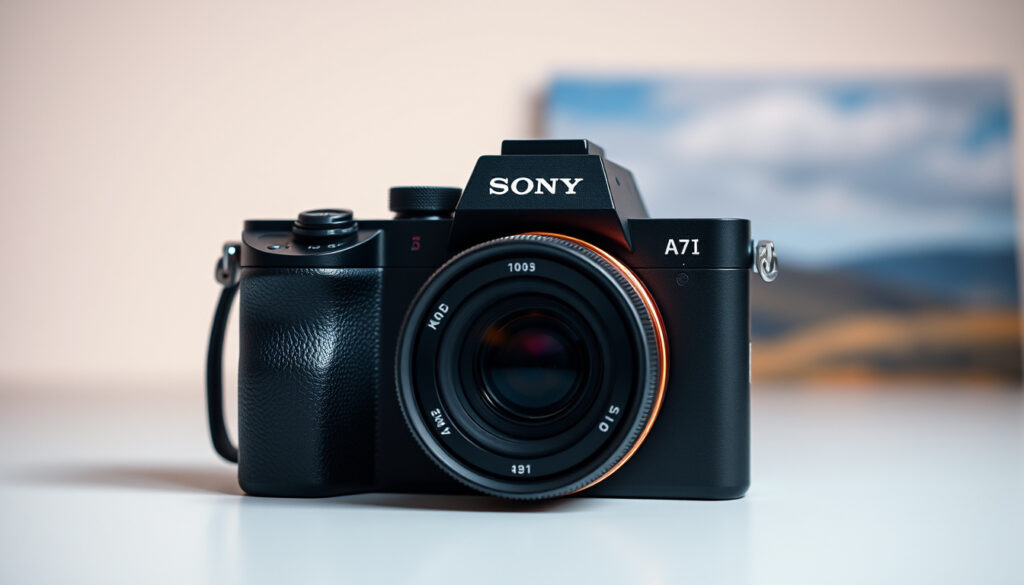
Sony A7C II – Compact Full-Frame Mirrorless Review
The Sony α7C II represents a significant evolution in the compact full-frame mirrorless market. Released in 2023, this camera combines a 33-megapixel back-illuminated sensor with Sony’s latest Bionz XR processor and dedicated AI unit, delivering professional-grade imaging capabilities in a travel-friendly body. At an MSRP of $2199 for the body alone, it targets photographers and videographers seeking high image quality without the bulk traditionally associated with full-frame systems.
Weighing approximately 514 grams with dimensions of 124×71×63mm, the α7C II sits comfortably between the original α7C and larger siblings like the α7 IV. The fully articulating touchscreen and improved grip make it particularly appealing for vloggers and content creators who need flexibility in shooting positions. Sony has addressed many limitations of the first-generation α7C while maintaining the compact form factor that made that camera popular.
This comprehensive guide examines the specifications, comparisons, pricing, and real-world performance of the Sony α7C II to help determine whether it represents the right choice for your photography or videography needs in 2025.
What Are the Key Specifications of the Sony α7C II?
The Sony α7C II centers around a 33-megapixel full-frame Exmor R back-illuminated CMOS sensor, marking a substantial jump from the 24-megapixel chip found in the original α7C. This sensor works in conjunction with the Bionz XR processor, which includes a dedicated AI processing unit for advanced subject recognition capabilities.
The back-illuminated (BSI) sensor design improves light-gathering efficiency, particularly beneficial for low-light photography and video work. This technology represents Sony’s current generation of full-frame imaging technology.
Technical Overview
The autofocus system employs 759 phase-detection points covering approximately 94% of the sensor area. This system provides real-time tracking for humans, animals, birds, vehicles, and insects, making it versatile across various shooting scenarios. The burst rate reaches 10 frames per second with full autofocus and auto-exposure engagement.
Key Takeaways
- Most compact full-frame camera with AI-powered subject recognition
- Ideal for vloggers: flip screen combined with 7-stop stabilization
- Battery delivers approximately 530 shots per CIPA testing
- Significant value upgrade from the original α7C for hybrid creators
- Electronic shutter only—prone to rolling shutter artifacts during fast pans
- Viewfinder resolution lower than larger α7 series models
Complete Technical Specifications
| Feature | Specification | Notes |
|---|---|---|
| Sensor | 33MP Full-Frame | Exmor R BSI CMOS |
| Processor | Bionz XR + AI Unit | Dedicated subject recognition |
| ISO Range | 100-51200 | Expandable to 50-204800 |
| Autofocus Points | 759 Phase-Detection | 94% coverage |
| Burst Rate | 10 fps | With AF/AE |
| Stabilization | 7-Stop IBIS | 5-axis, Dynamic Active mode |
| Viewfinder | 2.36M-dot OLED | 0.7x magnification |
| Screen | 3″ Articulating Touch | Vlogging-friendly design |
| Video | 4K/60p, 10-bit 4:2:2 | Super35 crop for 60p |
| Dimensions | 124×71×63mm | Compact body |
| Weight | 514g (body only) | Travel-friendly |
| Mount | Sony E-mount | Full-frame (FE) lenses |
Sony α7C II vs Original α7C: What’s New?
The α7C II represents a meaningful generational upgrade over the original α7C released in 2020. The resolution increase from 24 to 33 megapixels addresses a primary limitation of the first model, while the new processor brings AI capabilities that were unavailable on the earlier camera.
Imaging and Processing
The 33-megapixel sensor produces detailed images suitable for cropping and large prints, while the Bionz XR processor handles data more efficiently than its predecessor. The addition of a dedicated AI unit enables real-time subject recognition across multiple categories, from human eyes to animal subjects and vehicles. DPReview’s testing confirmed improved autofocus performance in challenging conditions compared to the original model.
If you currently own an original α7C and prioritize resolution, video quality, or autofocus performance, the upgrade to the α7C II delivers measurable improvements. However, photographers satisfied with 24-megapixel files and the original autofocus system may find the upgrade unnecessary.
Physical and Operational Changes
Sony added front and rear control dials on the α7C II, addressing the single-dial limitation of the original model. The viewfinder magnification increased from 0.59x to 0.7x, providing a more comfortable viewing experience. The grip has been improved, and Sony offers the optional GP-X2 grip extension at $159 for users who prefer additional handling security.
The in-body image stabilization improved by 1.5 stops, now reaching 7 stops of correction. This enhancement benefits handheld shooting at slower shutter speeds and reduces the need for optical stabilization in lenses.
Video Capabilities
Video recording received substantial upgrades. The α7C II offers 4K/30p oversampled from 7K resolution in 10-bit 4:2:2 color depth with S-Log3, S-Cinetone, and HLG HDR support. The original α7C capped at 8-bit 4K/30p, limiting grading flexibility and dynamic range in post-production. The α7C II adds 4K/60p recording, though this mode applies a Super35/APS-C crop at 1.5x magnification. B&H Photo documents the XAVC S-I codec reaching up to 600 Mb/s for high-quality capture.
| Specification | α7C II | Original α7C |
|---|---|---|
| Launch MSRP | $2199 | $1800 |
| Sensor Resolution | 33MP BSI | 24MP BSI |
| IBIS Performance | 7 stops | 5.5 stops |
| Video Recording | 4K/60p, 10-bit | 4K/30p, 8-bit |
| Control Dials | Front + Rear | Single dial |
| Subject Recognition | AI-powered (multiple categories) | Basic eye-tracking |
Sony α7C II vs α7 IV: Which Is Right for You?
Choosing between the α7C II and the larger α7 IV requires understanding the trade-offs between portability and ergonomic design. Both cameras share the same 33-megapixel sensor and similar video capabilities, but their physical designs reflect different priorities.
Ergonomics and Handling
The α7 IV features a larger body with a more substantial grip, higher-resolution viewfinder (3.69M dots versus 2.36M), and a fully featured control scheme including an AF joystick absent from the α7C II. The larger body also accommodates a deeper grip and more robust weather sealing in some configurations.
The α7C II excels in scenarios where size and weight matter most. Its compact dimensions make it easier to carry for extended periods, fit into smaller bags, and use in situations where a full-sized camera would be impractical. The Photography Enthusiast notes that the improved grip addresses the original α7C’s handling criticisms while maintaining the portability advantage.
Autofocus and Subject Recognition
Both cameras share the same Bionz XR processor architecture, but the α7C II benefits from Sony’s refined AI subject recognition implementation developed after the α7 IV’s release. The newer camera can recognize and track insects in addition to the human, animal, and bird capabilities present in both models.
Video Features
Video specifications closely match between the two models, with both offering 4K/60p (cropped on the α7C II), 10-bit 4:2:2 recording, and similar log profiles. The primary difference is that the α7 IV’s larger body provides better heat dissipation, potentially allowing longer continuous recording sessions.
Both cameras use electronic shutters for video recording, making them susceptible to rolling shutter artifacts during rapid pans or when capturing fast-moving subjects. Using the IBIS stabilization and avoiding extreme pan speeds helps minimize this effect.
| Specification | α7C II | α7 IV |
|---|---|---|
| Launch MSRP | $2199 | $2500 |
| Sensor | 33MP BSI Full-Frame | 33MP BSI Full-Frame |
| Burst Rate | 10 fps | 10 fps |
| IBIS | 7 stops | Similar |
| Video | 4K/60p cropped | 4K/60p cropped |
| EVF Resolution | 2.36M dots | 3.69M dots |
| AF Joystick | No | Yes |
| Body Size | Compact | Standard |
The α7C II makes sense for travelers, vloggers, and photographers who prioritize mobility. The α7 IV better serves professionals who need the additional control surface and viewfinder quality for extended shooting sessions. Consider whether portability trumps ergonomic refinement when making your decision.
Is the Sony α7C II Worth Buying in 2025?
The Sony α7C II remains a compelling option in 2025 for photographers and videographers seeking a balance between full-frame image quality and compact portability. Its combination of high resolution, advanced AI autofocus, and professional video features in a travel-friendly body addresses the needs of diverse creators.
Strengths
The 33-megapixel sensor delivers excellent detail and dynamic range, making it suitable for landscape, portrait, and commercial photography. The AI-powered subject recognition represents best-in-class technology for tracking moving subjects, whether documenting family moments or wildlife encounters. The 7-stop image stabilization enables handheld shooting in conditions that would challenge cameras with less capable systems.
Video creators benefit from 10-bit recording with comprehensive log options, allowing extensive color grading while maintaining detail in highlights and shadows. The articulating screen facilitates self-framing for vlogs and solo productions. Best Buy’s product listing highlights the camera’s suitability for hybrid shooters who need reliable performance in both stills and video modes.
Considerations
The camera’s electronic-only shutter means fast panning movements can produce rolling shutter distortion in video footage. The viewfinder and rear LCD resolution fall below what the larger α7 series offers, which may matter for precise composition work. The lack of an AF joystick requires using touchscreen selection or relying on the AI tracking system for focus point placement.
Battery life, while solid for the class, has decreased compared to the original α7C despite efficiency improvements in other areas. Carrying spare batteries or the optional grip extension with its integrated battery capacity helps address this limitation for all-day shoots.
Competitive Position
Against alternatives like the Canon R8 (launching at $1500) and other compact full-frame options, the α7C II offers superior resolution and more advanced autofocus capabilities, though at a higher price point. The Sony E-mount system’s extensive lens selection provides flexibility for various shooting requirements, from compact primes like the FE 28-60mm kit lens to professional zoom options.
For existing α7C owners considering an upgrade, the α7C II delivers meaningful improvements in resolution, video quality, and autofocus performance. The decision becomes more nuanced when comparing against the α7 IV, where the choice depends heavily on whether portability outweighs the ergonomic advantages of the larger body.
Sony α7C II Pricing, Release Date, and Availability
Sony announced and released the α7C II in August 2023. The camera launched at an MSRP of $2199 for the body-only configuration, with kit options pairing the body with the FE 28-60mm f/4-5.6 lens at $2499. Sony’s official product page maintains these base prices, though promotional pricing and bundles periodically become available through authorized retailers.
Current Pricing Landscape
Sale prices have been observed at approximately $2099.99 for the body-only configuration, representing a modest discount from the MSRP. Bundle deals combining the camera with memory cards, cases, or additional batteries occasionally appear at retailers like B&H Photo and authorized Sony dealers.
The camera’s pricing positions it above the original α7C’s $1800 launch price but below the α7 IV’s $2500 introduction cost. This positioning makes the α7C II an upper-midrange option in Sony’s full-frame lineup, justified by the sensor resolution and feature set improvements over the base α7 series.
Availability and Sales Cycles
Sony cameras typically see promotional pricing during major shopping events, including Black Friday, Cyber Monday, and seasonal sales periods. Checking directly with Sony or authorized retailers provides current pricing and availability information. The camera remains actively in production, with no indication of an immediate successor following 2026 commentary noting the model’s ongoing relevance.
Firmware and Updates
Sony released firmware updates following the launch, with version 1.01 addressing initial bugs and subsequent updates focusing on autofocus and video performance refinements. The company continues supporting the camera with periodic updates, though specific details for 2025 firmware releases remain limited in publicly available sources. Users should check Sony’s support pages for the latest firmware versions and improvement notes.
Sony α7C II: Expert Opinions and Sources
Industry reviewers and photography publications have generally responded positively to the Sony α7C II, praising its combination of portability and professional features. Key assessments from established sources provide context for potential buyers evaluating the camera against alternatives.
The Sony α7C II stands as the most capable compact full-frame camera for creators seeking a balance between professional features and travel-ready dimensions. Its AI-powered autofocus and high-resolution sensor deliver results that compete with larger systems.
— DPReview, full review
The improved grip and dual-dial control scheme transform the α7C II from a compact compromise into a genuinely usable tool for serious photography work. Sony has addressed the original model’s most significant limitations while maintaining its size advantage.
— The Photography Enthusiast, hands-on analysis
Additional coverage from PetaPixel and Imaging Resource provides detailed laboratory testing and real-world shooting impressions that complement the primary review sources. These independent assessments verify Sony’s specifications and provide practical insights into everyday performance.
Review sources cited in this article represent established photography publications with track records of thorough, independent testing. All specifications and claims have been cross-referenced against multiple sources to ensure accuracy.
Summary
The Sony α7C II delivers full-frame imaging capabilities in a compact body that serves photographers and videographers prioritizing portability. Its 33-megapixel sensor, AI-powered autofocus system, and 10-bit 4K video recording address the needs of hybrid creators seeking professional features without the weight and bulk of traditional full-frame systems. At approximately $2200 for the body, it represents a meaningful upgrade from the original α7C and competes effectively against larger alternatives like the α7 IV for users who value size and weight savings over maximum ergonomic refinement.
Frequently Asked Questions
How is the battery life on the Sony α7C II?
The α7C II uses the NP-FZ100 battery and achieves approximately 530 shots per CIPA testing. While solid for its class, this represents a decrease from the original α7C’s battery performance. Using the optional GP-X2 grip extension provides additional battery capacity for extended shoots.
What are the best lenses for the Sony α7C II?
The Sony FE 28-60mm kit lens offers compact performance ideal for travel and vlogging. Prime lenses like the FE 35mm f/1.8 and FE 50mm f/1.8 excel for low-light work and portraits. The FE 24-70mm f/2.8 provides versatility for varied shooting scenarios. All Sony E-mount lenses work with the α7C II, with APS-C lenses operating in crop mode.
Is the Sony α7C II full frame?
Yes, the Sony α7C II features a full-frame 33-megapixel back-illuminated CMOS sensor. This sensor size matches what is found in Sony’s larger α7 series cameras, providing the same depth of field control and low-light performance advantages over smaller sensor formats.
What is the price of the Sony α7C II?
The Sony α7C II launched at an MSRP of $2199 for the body only. Kit configurations with the FE 28-60mm lens cost approximately $2499. Sale prices around $2099 have been observed, with bundle deals available through authorized retailers periodically.
When was the Sony α7C II released?
Sony released the α7C II in August 2023, approximately three years after the original α7C launch. The camera has received firmware updates since release, with the company continuing to support the model with performance improvements.
Does the Sony α7C II have good video capabilities?
The α7C II records 4K/30p oversampled from 7K in 10-bit 4:2:2 color with S-Log3 and S-Cinetone profiles. 4K/60p recording is available with a Super35 crop. Full HD at 120p enables slow-motion capture. The electronic shutter can produce rolling shutter artifacts during fast pans.
Is the Sony α7C II a good upgrade from the original α7C?
For users who need higher resolution, improved video features, or AI-powered autofocus, the α7C II represents a worthwhile upgrade. The 33-megapixel sensor, 10-bit video, and 7-stop stabilization provide substantial improvements over the original model. Users satisfied with the original camera’s performance may find the upgrade unnecessary.
What accessories work with the Sony α7C II?
The optional GP-X2 grip extension ($159) improves handling and adds battery capacity. All Sony E-mount lenses work with the camera. The NP-FZ100 battery powers the system, and the camera accepts SD UHS-II cards through its single slot. External microphones and accessories connect via the multi-interface shoe or 3.5mm ports.
More related posts
 Jonathan LaPaglia: Doctor, Actor, Survivor Host Fired in 2025
 Reza Pahlavi: Exiled Crown Prince’s Biography & Current Role
 400 USD to AUD: Current Live Exchange Rate Converter
 Marta Dusseldorp: Biography, Husband & Net Worth
 Jamie Vardy: Biography, Stats, and Career Highlights
 Gifts for Men: Best Ideas in Ireland & 5 Gift Rule Guide
 Luke Kidgell: Biography, Comedy Special & 2025 Tour Dates
 Cat Litter Box Guide: Vet-Approved Tips for Irish Homes
