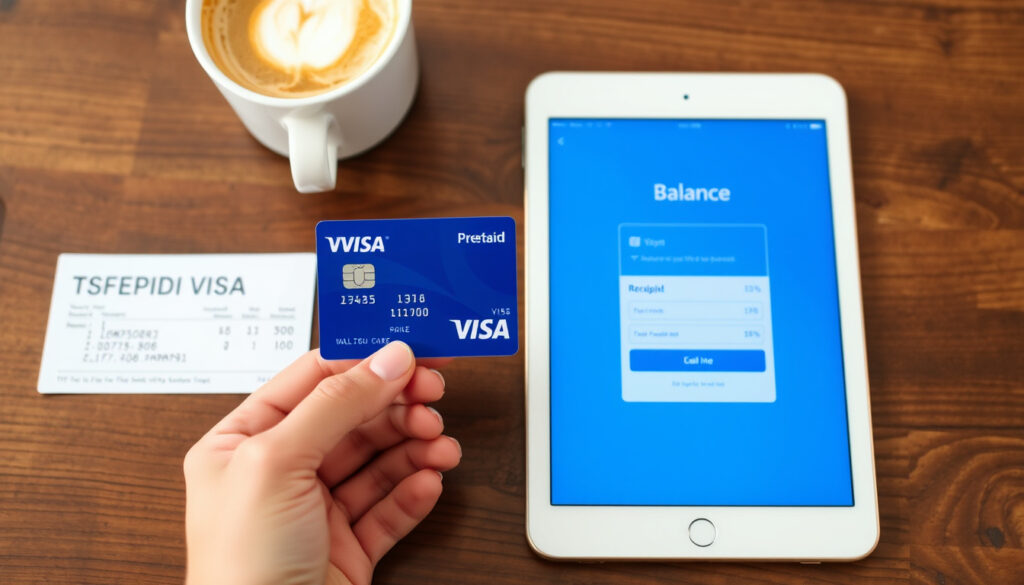
Prepaid Visa Card: How They Work, Fees, and Where to Get One
Anyone who’s ever been caught short at a checkout or worried about overspending on a night out knows the feeling. A prepaid Visa card offers a simple, no-fuss workaround: load what you need and spend only what you have.
Acceptance: 80 million+ merchant locations worldwide · Overdraft protection: No fees – spend only what you load · Reloadable: Many cards can be reloaded
Quick snapshot
- A reloadable card you load money onto before spending (CCPC Ireland)
- Accepted at millions of Visa merchants worldwide (Visa official site)
- Not linked to a bank account, no overdraft possible (CCPC Ireland)
- No credit check required (Switcher.ie comparison site)
- Helps control spending and avoid debt (CCPC Ireland)
- Ideal for travel and online shopping with limited risk (MoneyGuideIreland blog)
- Activation fee: often €3–10 (CCPC Ireland)
- Monthly maintenance fee: up to €5 (MoneyGuideIreland blog)
- ATM withdrawal fee: €2–3 (CCPC Ireland)
- Buy at retail stores (pharmacies, supermarkets) (Switcher.ie comparison site)
- Order online from banks or card issuers (Switcher.ie comparison site)
- Virtual cards available instantly (MoneyGuideIreland blog)
Five prepaid Visa card facts at a glance.
| Card Type | Prepaid Visa card |
|---|---|
| Issuer | Visa network, issued by multiple banks and fintechs |
| Funding | You load money in advance |
| Credit Check | None (Switcher.ie comparison site) |
| Accepted | Over 80 million locations globally |
The pattern: fees vary more than purchase prices, so the cheapest card upfront may not save you money.
How do prepaid Visa cards work?
Prepaid Visa cards function like a simple cash-in-advance tool. You load money onto the card, and then you can spend only what you have loaded. There is no credit line, no cheque book, and no overdraft facility. The CCPC Ireland emphasises that prepaid cards are not linked to a bank account and are loaded with money before spending.
Loading and spending
- You can load cash or transfer funds from your bank account to the card.
- Once loaded, the card works like any Visa debit card at point of sale, online, or at ATMs.
- The CCPC Ireland warns that prepaid card fees and charges can be higher than comparable debit-card charges.
Reloading options
- Many cards allow reloading via bank transfer, cash at a retail outlet, or direct deposit.
- Some issuers charge a fee for each reload – check the terms before loading (CCPC Ireland).
No overdraft feature
Because the card is not linked to a bank account, you can never spend more than the available balance. This makes it a strict budgeting tool – Switcher.ie comparison site notes that prepaid cards in Ireland do not require a current account or a credit check.
How can I get a prepaid Visa card?
Getting hold of a prepaid Visa card in Ireland doesn’t require a trip to the bank or a credit check. The options range from picking one up at the supermarket to ordering a virtual card online.
Buying in stores
- Available from selected post offices, retailers like pharmacies and supermarkets (Switcher.ie comparison site).
- You typically pay a purchase fee (often €5–€10).
Ordering online
- Many banks and fintechs offer prepaid Visa cards online.
- No credit check is required (Switcher.ie comparison site).
- Some cards require ID verification, especially for higher load limits.
Virtual prepaid Visa cards
- Virtual cards are issued instantly and can be used for online purchases immediately.
- MoneyGuideIreland (a personal finance blog) reports that virtual prepaid Visa cards are available from several Irish issuers.
International options
Cards issued in Ireland can also be used abroad, but be aware of foreign transaction fees – some cards charge up to 3.99% for non-euro spending (MoneyGuideIreland blog).
Getting a prepaid Visa card is about as easy as grabbing a newspaper. The trade‑off: you’ll want to compare the upfront purchase price and ongoing fees, because they vary far more than you’d expect.
What are the disadvantages of a prepaid Visa?
Prepaid Visa cards come with real trade‑offs, especially around fees, credit building, and fraud protection.
Fees
- Activation fees, monthly service fees, transaction fees, and ATM withdrawal fees can add up (CCPC Ireland).
- Switcher.ie comparison site advises checking inactivity fees, declined transaction fees, and dormancy fees before applying.
No credit building
- Prepaid cards do not report to credit bureaus, so they won’t help you build a credit history.
- If you want to improve your credit score, a credit card used responsibly is a better option.
Limited fraud protection
- Under EU law, some consumer protections apply, but the CCPC Ireland notes that dispute resolution may be different from credit cards and could be more limited depending on the issuer.
What this means: the fee structure is the hidden enemy. A card that looks cheap at the till can bleed your balance through monthly charges and ATM fees.
Does it cost money to get a prepaid Visa card?
Yes, most prepaid Visa cards have a purchase price and ongoing fees that vary by provider.
Purchase price
- Some cards have an upfront purchase fee of €5–€10 (MoneyGuideIreland blog).
- MoneyGuideIreland lists one card with a €2.99 monthly fee and another with a €10 annual fee.
Activation fees
- Activation fees are often bundled into the purchase price, but some cards charge separately.
- The CCPC Ireland includes purchase and top-up fees in its general warning about high charges.
Ongoing fees
- Monthly maintenance fees: up to €5.
- ATM withdrawal fees: €1.50–€3 per withdrawal.
- Inactivity fees: MoneyGuideIreland notes one card charges €3.50 per month after two months of no usage.
- Government stamp duty: the CCPC Ireland says €0.12 per ATM transaction applies, with a maximum annual cap of €2.50 for ATM cards.
The implication: the cheapest card at purchase can become the most expensive if you use ATMs often or let the card sit idle.
A prepaid card that costs €2.99 per month will eat €35.88 a year – that’s real money that could be saved by choosing a no-monthly-fee option and paying attention to ATM charges.
Where can I use a prepaid Visa card?
Visa’s global acceptance network means you can use your prepaid card almost anywhere that displays the Visa logo.
Online shopping
- Prepaid Visa cards are accepted by most online retailers in Ireland and abroad.
- Some virtual cards work with subscription services like Netflix or Spotify.
In-store purchases
- Tap, insert, or swipe at any Visa‑enabled terminal – from your local Centra to large department stores.
International use
- Accepted in over 200 countries and territories (Visa official site).
- Foreign transaction fees: some cards charge 0.5%–5% on non‑euro spends. MoneyGuideIreland lists one card with a 5% non‑euro conversion charge.
ATM cash withdrawals
- You can withdraw cash from any Visa‑enabled ATM, but expect a fee (often €1.50–€3).
- Revolut, for example, offers the first two withdrawals a month free if each is under €200, then 1.75% after that (MoneyGuideIreland blog).
The acceptance is global, but the costs vary wildly per card. A traveller who does three ATM withdrawals a month could pay €6 in fees on one card – and nothing on another.
How do I check my prepaid Visa card balance?
Keeping tabs on your balance is straightforward, though fees can apply for certain methods.
Online portal
- Most card issuers provide a free online account portal where you can see your balance and transaction history.
Mobile app
- Many prepaid cards come with a dedicated app – check your card’s documentation.
Phone
- You can call the card issuer’s customer service line to get your balance; some charge for this service.
ATM balance inquiry
- Some cards allow balance checks at ATMs, but MoneyGuideIreland warns that some charge for ATM balance inquiries.
The implication: using an ATM to check your balance might cost you €1 or more – stick to the app or online portal to keep your money on the card.
Three common prepaid Visa options in Ireland, one pattern: the cheapest purchase price often hides the highest ongoing fees.
| Feature | Revolut | Card B (€10 annual) | Card D (inactivity risk) |
|---|---|---|---|
| Monthly fee | €0 (free plan) | €0 (annual €10) | €0 but €3.50/month after 2 months idle |
| ATM fee (euro) | Free first 2 withdrawals (under €200), then 1.75% + 50p per withdrawal | €1.50 per withdrawal | €1.50 per withdrawal |
| Foreign spend fee | Free up to €1,000/month, then 0.5% | 3.99% non-euro | 5% non-euro conversion |
| Source | MoneyGuideIreland blog | MoneyGuideIreland blog | MoneyGuideIreland blog |
The catch: a low purchase price can mask high ongoing fees that drain your balance.
What are the upsides and downsides of a prepaid Visa?
Upsides
- No credit check needed – accessible for everyone.
- Spending limit prevents overdraft debt.
- Wide acceptance – use anywhere Visa is taken.
- Great for budgeting and controlling impulse buys.
Downsides
- Fees can eat into your balance if you’re not careful.
- No credit history benefit.
- Limited fraud protection versus credit cards.
- Inactivity fees can drain an unused card.
How to get a prepaid Visa card: step by step
Follow these steps to get the right card for your needs.
- Compare fees – check the CCPC Ireland fee warning and use comparison sites like Switcher.ie comparison site.
- Decide between a physical card (for in‑store and ATM use) and a virtual card (for online only).
- Purchase from a retail outlet or order online. If ordering online, you may need to submit ID.
- Activate the card – usually by calling a number or visiting a website.
- Load money via bank transfer, cash, or direct deposit.
- Check your balance via the issuer’s app or online portal regularly to avoid fees.
What’s confirmed and what’s still unclear
Confirmed facts
- Prepaid Visa cards are not linked to a bank account (CCPC Ireland).
- They can be used anywhere Visa is accepted.
- Fees vary by issuer and can be higher than debit card charges (CCPC Ireland).
What’s unclear
- Exact fraud protection policies differ by card provider and may not be as robust as credit cards.
- Whether a prepaid Visa card can be used for all international transactions depends on the card’s foreign transaction fee policy – some charge up to 5% (MoneyGuideIreland blog).
Prepaid cards offer control and convenience without overdraft fees – a solid alternative for people who want to limit their spending.
Prepaid cards can be a good budgeting tool, but watch out for hidden fees that can eat into your balance over time.
Consumer advocacy group (based on CCPC Ireland findings)
For Irish consumers, the choice is not whether a prepaid Visa card works – it works fine – but which fee structure fits your spending pattern. If you use a card mainly for one‑off online purchases and avoid ATMs, a virtual card with no monthly fee is ideal. If you travel often and need cash, a card like Revolut with free initial ATM withdrawals and low foreign spend fees can save you money. The consequence of ignoring the fee schedule is clear: you could lose 5% or more of your balance to charges you never saw coming. For anyone in Ireland who values control over convenience, the prepaid Visa card remains a solid, low‑risk option – provided you read the small print.
exiap.com, recharge.com, wise.com, moneysupermarket.com, bonkers.ie
For a detailed breakdown of fees, loading options, and where to buy, check out our comprehensive prepaid Visa card guide.
Frequently asked questions
Can I overdraft on a prepaid Visa card?
No. Prepaid cards are not linked to a bank account and do not allow overdrafts – you can only spend the balance loaded on the card.
How do I cancel a prepaid Visa card?
Contact the card issuer directly. Some cards can be cancelled online or by phone. Any remaining balance may be returned to you minus an admin fee.
Are prepaid Visa cards anonymous?
Not fully. Most issuers require ID verification for registration, especially for reloadable cards with higher limits. However, you do not need to provide a bank account.
What is the maximum amount I can load on a prepaid Visa card?
Limits vary by issuer and card type. Some cards allow up to €10,000 or more, while others cap at a few hundred euro. Check the card’s terms.
Can I use a prepaid Visa card for subscription services?
Yes – for services like Netflix, Spotify, or Amazon Prime, as long as the card supports recurring payments. Virtual cards work well for this.
Do prepaid Visa cards have an expiration date?
Yes, most cards expire after 2–3 years. You may need to order a replacement card or the remaining balance may be refunded.
How to report a lost or stolen prepaid Visa card?
Contact the issuer immediately. Many providers offer 24/7 phone support and can freeze the card. You may be able to transfer the balance to a new card.
More related posts
 Stephanie Beatriz: Biography, Personal Life and Career
 Kumail Nanjiani: Biography, Career, and Marvel Transformation
 2026 Nissan Navara: Price, Specs & Release Date
 Dow Jone Index Today: Live Value & Market Move 2025
 Nail Salon Near Me: Prices, Age Limits & Gel vs Acrylic (Ireland)
 James Ransone Dies at 46: Obituary for The Wire Star
 The World’s Fastest Indian – True Story of Burt Munro’s Record
 Cat Litter Box Guide: Vet-Approved Tips for Irish Homes
